Showing posts with label peony. Show all posts

Tuesday, March 31, 2026

Sorbet Peony Growing Guide: Planting, Care Tips, Zones, and Bloom Expectations


Learn how to grow the stunning Sorbet Peony (Paeonia lactiflora) with tips on planting, zones, fertilizing, pruning, and pest notes from real‑garden experience.


A Show‑Stopping Peony Worth Every Year of Waiting

The Sorbet Peony is one of those rare garden treasures that rewards patience with unforgettable beauty. Its layered pink‑and‑white blooms look almost hand‑crafted, and once established, this perennial becomes a dependable spring highlight for decades. I’ve grown many peonies over the years, but the Sorbet remains my favorite fragrant, full, and visually striking from the moment the buds swell until the foliage turns golden in autumn. This is a plant that earns its place in any perennial garden.

A Little History and My First Planting

This lovely cultivar was discovered by Luc Klinkhamer in 1987 in a South Korean garden. I purchased my own Sorbet Peony from Breck’s Nursery in 2006 as a bareroot, which I planted in fall. The soil was well‑drained and enriched with compost, and I tucked it about two feet from my rock wall where it received full morning sun and gentle afternoon shade. Like most peonies, it took its time. It did not bloom for the first three years, but once it settled in, it rewarded me with reliable mid‑spring flowers every season. Peonies are long‑lived plants that need time to establish, but once they do, they become one of the most dependable perennials you can grow.

Growing Zones and Climate Needs

Sorbet Peony grows best in USDA Zones 3 through 8. It thrives in cold winters, which help set the buds for the following spring. Gardeners in warmer climates often struggle with peonies because they require a true winter chill. Here in the Midwest, they flourish beautifully.

How to Grow Sorbet Peony

Peonies prefer full sun, though they tolerate light afternoon shade, especially in hotter regions. Plant bareroots in fall so they can settle in before winter. The eyes should be no deeper than two inches below the soil surface; planting too deep is the most common reason peonies fail to bloom. Soil should be fertile, loose, and well‑drained. Heavy clay can be improved with compost, leaf mold, or aged manure. Once planted, avoid disturbing them peonies dislike being moved.

When to Fertilize

Peonies are not heavy feeders, but they appreciate a little support. Apply a balanced, slow‑release fertilizer or a light layer of compost in early spring just as the red shoots emerge. Avoid over‑fertilizing, especially with high‑nitrogen products, which can lead to lush foliage but fewer blooms. A second very light feeding after flowering can help strengthen the plant for next year’s buds, but it is optional.

When and How to Prune

Peonies require minimal pruning. Deadhead the spent blooms in late spring to keep the plant tidy. Allow the foliage to remain all summer, as it feeds the roots for next year’s flowers. In fall, once the leaves turn yellow and begin to collapse, cut the stems to the ground and remove all debris. This helps prevent fungal issues and keeps the plant healthy for the next growing season.

Pests and Wildlife Notes

One of the joys of growing Sorbet Peony is that deer and groundhogs leave it alone. The foliage and stems are not appealing to them, making this a reliable perennial in wildlife‑heavy areas. Ants on the buds are normal and harmless they are attracted to the nectar and do not affect blooming. The most common issues are fungal leaf spots or botrytis in wet seasons, which can be minimized with good air circulation and fall cleanup.


A Plant for All Seasons

The Sorbet Peony offers more than just its spring display. The foliage remains attractive through summer, and by late season it shifts to a warm yellow that blends beautifully with autumn tones. It is a plant that brings structure, fragrance, and elegance to the garden year after year.  

Footnote:
Peonies are long‑lived perennials that often outlast the gardener who planted them. Once established, they can bloom for fifty years or more.

Disclaimer:
This article is based on personal gardening experience and general horticultural guidance. Growing conditions vary by region, soil type, and climate. Always consider your local environment when applying these tips.

Learn more about growing peonies here 


Wednesday, May 18, 2022

Stunning Sorbet Peony (Paeonia lactiflora)

 If you like peony flowering shrubs then you will love the stunning sorbet peony  (Paeonia lactiflora).  This fragrant beauty was discovered by Luc Klinkhamer in 1987 growing in a South Korean garden and in 2006 I bought it at Brecks Nursery to grow in my garden.

Breck's Nursery sent me a Sorbet peony bare root that I planted in the fall. The soil was well-drained and amended with compost to make it fertile. I grew this peony 2 feet away from my rock wall in a sunny location with the part sun in the afternoon.

This sorbet peony did not bloom the first three years but thereafter it bloomed every mid-spring.  From my experience, I have found that peonies need time to grow, and be established in your garden.  

All of the peonies that grow in my garden have needed a few dormant years (no blooms).  If you have the time to wait then you will be awarded. The sorbet will produce many buds and sensational flowers every spring.  This plant is well worth the investment and the wait.

The sorbet is my favorite peony.  I love this showy fragrant flower with pink and white petal layers. Know that the sorbet peony will provide garden interest in the spring, summer, and fall when the leaves will turn a yellow color at the end of summer and is an eye-appealing plant throughout the autumn season.

I have never seen the Sorbet at my local garden centers.  So if you are interested I would suggest that you contact Brecks.com to see if they are selling this peony for fall season planting.

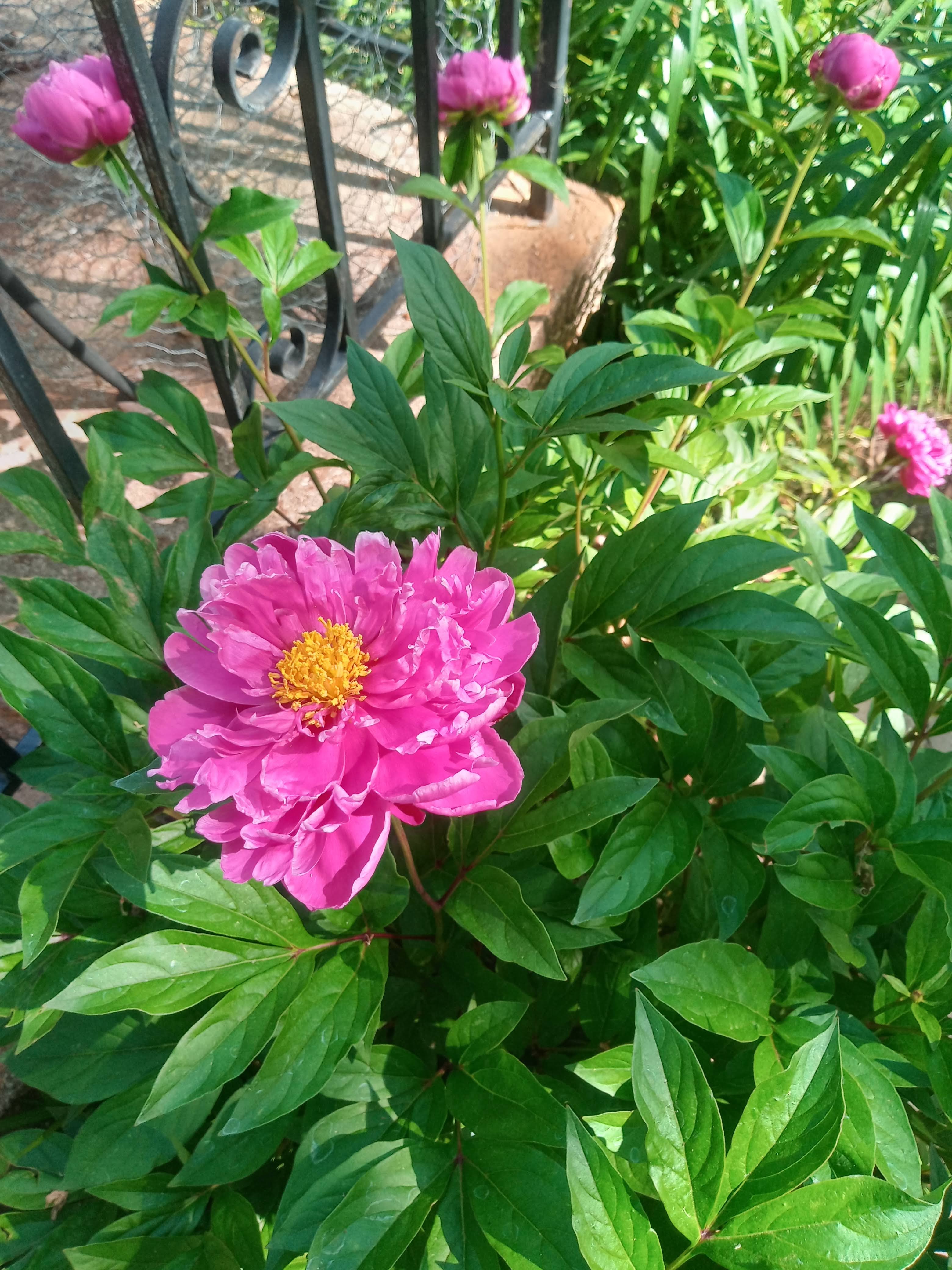
Here are photographs of the sorbet peony that grows in my yard and garden.  


Tuesday, May 17, 2022

Garden Secrets Nice Gal Pink Peony

If you enjoy watching butterflies and hummingbirds then plant the Nice Gal Peony. This peony is a stunning pink flowering shrub that will add beauty to your garden with its large pink flowers with yellow stamens.

 In 2012 I shopped online and bought a peony collection from Brecks Nursery.  The flowering shrubs were bare roots and the nice gal was one of the plants that I had received.

The peonies were planted in fertile well-drained soil where there were 6 hours of full sun daily.  The bare root grew into a small shrub in the first year with lush green leaves but did not bloom for two years.  The first time that the peony bloomed the flowers were small and I attributed this to the overhand of an Oak tree that had grown in. 

The following fall I decided to transplant even though I knew that disturbing the peony may mean it may not boom the following year.  I took the chance and moved the nice gal to another area where there was no chance that trees would block the sun.   

I transplanted the peony on a cloudy day, and it was planted deep in well-drained fertile soil that was amended with compost.  I watered well and did not allow the soil to dry out.  This new location provided the peony with 6 hours of full sun and part shade.  I applied a layer of mulch to protect the newly rooted shrub and after the first frost, I cut back the stems to the soil and applied a thicker layer of natural hardwood mulch.

 For the next 7 years, this flowering shrub grew in nicely (28 inches in height with a 30-inch spread.  The peony had strong stems and glossy leaves with small buds and flowers.   Normally this particular peony is an outstanding performer, but I suspect that disturbing the roots by transplanting did not agree with the plant.

This year I changed my fertilizer.  I used Jobes stakes for flowering shrubs. The stakes were put into the soil in late March / early spring.  The fertilizer stake would feed the peony slowly throughout the growing season.

In April the spring rain was plentiful, the days were warm and the nights were cool.  The weather and the fertilizer agreed with my pink gal peony because it grew into a sturdy bush with lush green leaves and big flower buds. The entire bush was covered with flower buds and the blooms were magnificent.


Here are some photographs of my beautiful Nice Gal Peony shrub. 

Garden Secrets Pink Gal Peony Flowering Shrub

Yard and Garden Secrets

Garden Secrets Pink Gal Peony Flowering Shrub

Garden Secrets Pink Gal Peony Flowering Shrub


Friday, March 4, 2011

Grow Peonies in Your Garden for Fragrance, Longevity, and Springtime Color

Learn when and where to plant peonies, how deep to set the eyes, and the best care tips for strong blooms. A complete guide to growing long-lived peony shrubs.

Peonies are among the most beloved spring-flowering shrubs, treasured for their lush blooms, sweet fragrance, and remarkable longevity. A well-planted peony can thrive for up to one hundred years, returning every spring with glossy green foliage, abundant buds, and show-stopping flowers. In summer, the shrub remains attractive with deep green leaves, and by fall the foliage shifts to warm red and bronze tones, adding seasonal interest to the garden.

For many gardeners, peonies carry emotional meaning. These shrubs are often passed down through generations, divided from a grandmother or great-grandmother’s garden. Their heirloom quality makes the peony not only a beautiful plant, but a cherished family treasure.

Here are images of peonies that grow in my garden


🌸 Where Should I Plant a Peony?

Peonies prefer to be planted once and left undisturbed. They do not appreciate being moved, and if transplanted, they often refuse to bloom for two to three years. Choose your planting site with intention.

  • Light: Full sun to part shade
  • Soil: Well-drained soil
  • Air circulation: Good airflow around the plant
  • Spacing: Plant multiple peonies about three feet apart

A thoughtful planting site ensures strong root development and reliable blooms for decades.

🌸 What Season Is Best for Planting Peonies?

The best planting time depends on the type of peony you’re planting:

  • Nursery-grown peony plants: Plant in spring after the danger of frost has passed.
  • Peony tubers (bareroot peonies): Plant in fall, ideally from August through September.

Avoid planting tubers after late September, as they need time to establish before the first hard frost.

🌸 How to Plant Peony Flowering Shrubs

Follow these steps to plant peonies successfully:

  1. Prepare the site: Remove grass, weeds, and rocks. Loosen the soil until it has a fine, crumbly texture.
  2. Amend the soil: Work compost into the planting area to enrich the soil and improve drainage.
  3. Dig the hole: Make it the same depth as the nursery container.
  4. Add nutrients: Mix a small amount of bone meal into the bottom of the hole to support root and flower development.
  5. Prepare the plant: Gently shake excess soil from the roots to encourage outward growth.
  6. Plant correctly: Set the peony in the center of the hole with roots spread outward. The peony eyes must sit about two inches below the soil line. Planting deeper will result in few or no blooms.
  7. Backfill and water: Cover with soil, firm gently, and water thoroughly.

🌸 How to Care for Peonies

During the first growing season, keep the soil evenly moist but never soggy. Once new growth appears, apply 2–3 inches of mulch around the plant to help retain moisture, cool the roots, and suppress weeds. Keep the bed weed-free.

After establishment, peonies become drought tolerant, but in hot summer regions, morning drip irrigation helps maintain plant health. Expect your peony to bloom in its third year, as these shrubs take time to settle in. If blooms are heavy, use a round plant support to prevent stems from bending or breaking.

  • Deadhead: Cut off spent blooms after flowering.
  • Fall cleanup: After a hard frost, cut stems back to about two inches above the soil.

🌸 Peony Tips

If you need to transplant your peony, timing and aftercare are important.

  • Best season: Fall is the best time to transplant peonies.
  • Time of day: Choose a cloudy day or transplant in the evening when the sun is not as hot.
  • Watering: Water the transplant well and continue to water daily until a hard frost.
  • Frost timing: Transplant about one month before a hard frost so roots can become established.
  • Mulch: Apply a thin layer of mulch around the transplant, then after the hard frost cut back the stems and apply a thicker layer of mulch.


🌸 Sgolis Recommends: Favorite Peony Varieties

Here are a few beautiful peonies to consider for your garden:

  • Peony ‘Sarah Bernhardt’
  • Peony ‘Karl Rosenfield’
  • Sea Yellow Peony